

What To Know Before Venturing To A Furniture Store!
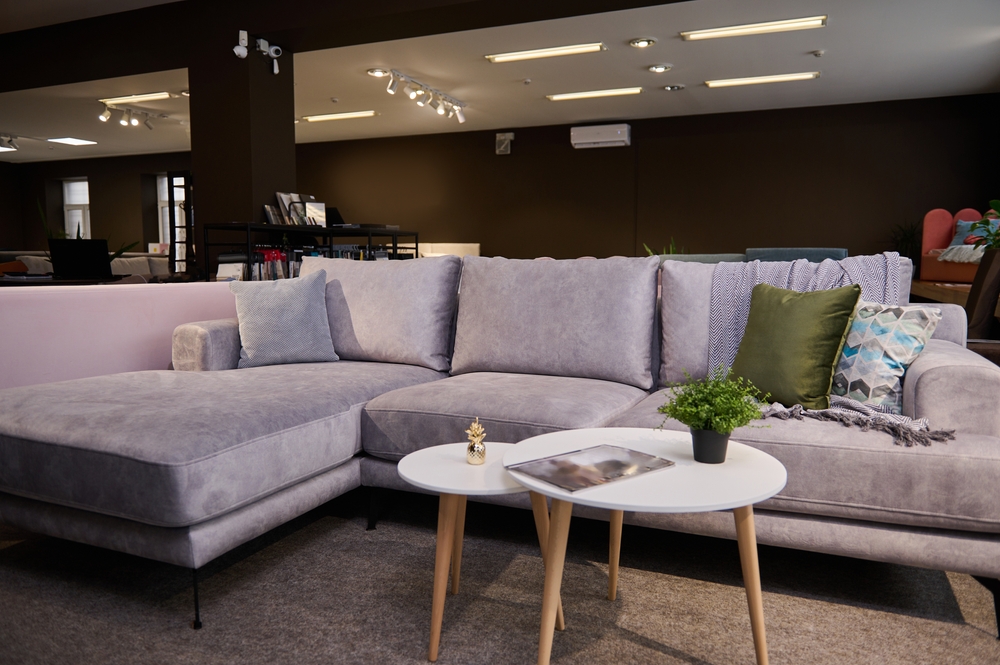
Shopping for furniture is often an exciting endeavor. Whether you’re moving into a new space, updating an old room, or just browsing for inspiration, visiting a furniture store offers endless possibilities. But behind the gleam of polished wood and plush upholstery lies a world of practicalities that many overlook. It’s not just about aesthetics. You need to walk in prepared, not only with ideas but with knowledge that protects your investment and ensures your selections are a perfect fit for your space and lifestyle.
Before stepping foot into a store, there are several crucial aspects to consider. From understanding the store’s consignment policy to inspecting pieces for structural integrity, doing your homework can save time, money, and a lot of future headaches.
Structural Integrity: Beyond Aesthetics
When admiring a beautiful coffee table or a stylish armchair, don’t let the outer appeal cloud your judgment. The condition report is your best friend here. Take a moment to assess the structural integrity of the piece. Does that elegant dining chair wobble when you shift your weight? Do the dresser drawers stick, or do they slide smoothly as they should? These are not just minor inconveniences; they can signal deeper foundational damage that affects the piece’s long-term usability.
Furniture, particularly secondhand or vintage items, might be charming, but if it doesn’t function well, it won’t serve you in the long run. The phrase “is it functional, or just pretty?” should be top of mind. Don’t shy away from testing furniture right in the store. Sit on it, open drawers, tilt it slightly to check stability, ensure it meets the standards of everyday use.
Policies Matter: Understand Return and Consignment Rules
Too often, customers fall in love with a piece only to realize too late that they’re stuck with it due to a rigid return policy. This is especially relevant in consignment shops or stores that sell unique or antique furniture. The consignment policy might mean that all sales are final, or that the store offers only a limited inspection window. Knowing these rules upfront helps you make a more confident decision.
Some shops may offer a short grace period, while others might provide store credit instead of cash refunds. Ask for the details. Understanding the return policy also empowers you to negotiate wisely. If a store stands firmly behind its pieces, it may offer a short-term return option, reflecting their confidence in the product’s quality.
Inspect What You Can’t Always See: Upholstery and Pest Checks
Upholstered furniture is particularly tricky because damage or infestation can be hidden beneath the surface. Always conduct a thorough upholstery inspection before committing to buy. Look closely for visible stains, rips, or signs of excessive wear that could compromise both the appearance and hygiene of the piece.
Beyond cosmetics, you must perform a pest check. Bed bugs and other critters can hide in seams, under cushions, or inside the frame. These pests are not just unpleasant; they can be a nightmare to eradicate once they enter your home. Run your hand along crevices, lift cushions, and be alert for small black dots or shed insect skins. If in doubt, ask the salesperson if the item has been professionally cleaned or treated.
Measurements Are Non-Negotiable: Bring Your Measuring Tape
No matter how striking that sectional looks in the showroom, it’s useless if it can’t fit through your door or into your designated space. That’s why every furniture-hunting trip should begin with one item: a measuring tape. Get the exact dimensions of your space before you even set foot in a store; this includes doorways, elevators, stairwells, and the spot where the furniture will sit.
Once you’re in the store, measure the piece thoroughly. Confirm the height, width, and depth. Sometimes furniture appears smaller or larger than it really is, due to the way it’s staged in the store. Relying solely on your eye is a common mistake. Accurate measurements ensure that what you buy will not only fit your space but also allow for practical movement around it.
Value and Costs: What Are You Really Paying For?
Price tags don’t always tell the full story. When evaluating furniture, it’s wise to ask if the original price is known. Knowing the original price gives you a benchmark for understanding your savings and assessing potential resale value. For example, if the piece originally sold for $2,000 and is now listed at $400, you’ll be able to recognize a good deal, and maybe negotiate further if there’s room.
Resale value can be an important factor, particularly if you enjoy refreshing your décor periodically. High-quality, well-maintained pieces can retain value, especially if they’re from recognized brands or vintage lines. Being armed with that context turns you from a casual shopper into a smart buyer.
It’s also important to factor in hidden costs. Does the store provide delivery? If so, is it included in the price, or will you be paying extra? If delivery isn’t offered, you’ll need to arrange transportation yourself, which could involve rental trucks or movers. These additional expenses can make what seemed like an affordable piece a significantly costlier investment. Clarifying delivery options early prevents budget surprises later.
The Smell Test: Yes, Really
One of the most overlooked aspects of furniture shopping is also one of the most revealing: the smell test. It might sound odd, but odor can be a deal-breaker. A piece can appear perfect, no stains, no damage, but if it carries the scent of cigarette smoke, mildew, or pet odors, that can be incredibly hard to eliminate.
Some odors are embedded deep within fabric or wood and resist even professional cleaning. Always take a moment to give the piece a sniff, especially around cushions, drawer interiors, and less ventilated areas. If something smells off in the store, it’s likely to smell worse in the enclosed environment of your home. Don’t be embarrassed to perform this check; your nose might save you a regrettable purchase.
Conclusion
Shopping at a furniture store is more than just picking something that matches your aesthetic tastes. It’s a blend of careful inspection, logistical planning, and understanding the fine print. Checking for structural integrity ensures your piece will last. Knowing the consignment policy and return options protects your investment. Thoroughly performing an upholstery inspection and pest check safeguards your home from unwanted surprises. Carrying a measuring tape helps avoid spatial disasters. Being aware of the original price and resale value makes you a savvy negotiator. And considering delivery options and giving the piece a smell test adds that final layer of precaution.
When all of these elements are accounted for, your visit to the furniture store becomes not just a shopping trip, but a smart, informed adventure. The next time you find yourself drawn to a piece on the showroom floor, you’ll know exactly what to look for, beyond the beautiful exterior.
Need High-Quality Furniture Near You?
At Kelly’s Furniture Store, we take pride in helping you turn your house into a home you truly love. Serving Hillsdale and Lenawee Counties and beyond since 1951, our passion is offering timeless, high-quality furniture at prices you can feel good about—paired with service that continues long after your purchase. From plush sofas and cozy recliners to supportive mattresses, stylish tables, rugs, and bedroom sets, our collection is designed to fit your life and elevate your comfort. Reach out to us today and let our decades of expertise help you find the perfect piece for your home sweet home.